
Episode #23: Navigating Divorce, Finances, and Homeownership: A Guide for South Asian Women
Going through a separation or divorce is one of the most challenging life transitions anyone can face. For South Asian women, this process is often compounded by deep-rooted cultural expectations, community stigma, and complex financial entanglements.
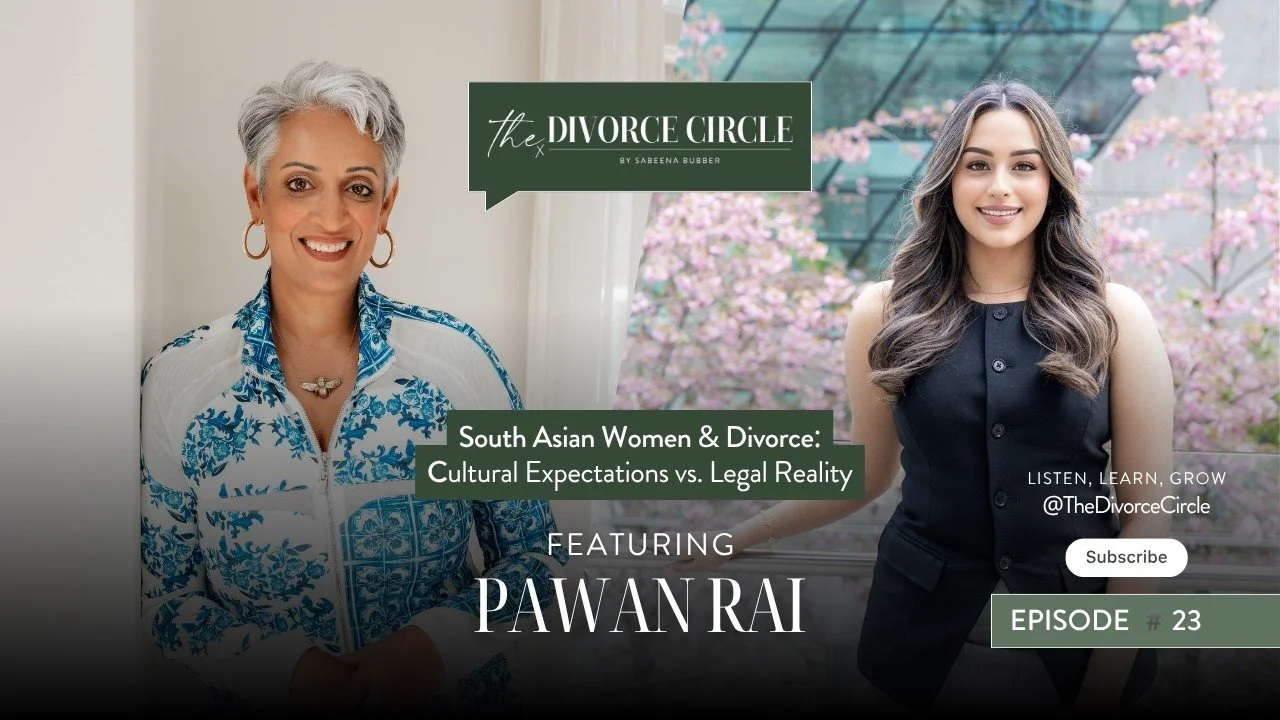
In a recent episode of The Divorce Circle podcast, host Sabeena Bubber, Mortgage Broker with Xeva Mortgage sat down with Pawan Rai, a highly experienced family lawyer based in Surrey, B.C. and a partner at WLG Lawyers. Pawan specializes in helping women navigate difficult divorce situations, with a significant focus on the South Asian community.
While the conversation covered the emotional and legal hurdles of leaving a marriage, it also highlighted a critical reality: financial independence and housing security are the foundation of a successful transition.
Whether you are contemplating separation, currently navigating a divorce, or looking to rebuild your financial life post-divorce, understanding your rights and options is essential. Here is a breakdown of the key insights from the episode—and what they mean for your financial future and homeownership goals.
The Hidden Barriers to Leaving
For many South Asian women, the decision to leave a marriage is not just about the relationship itself. It is about navigating a complex web of cultural and financial barriers.
Pawan Rai points out that women often stay in unhappy or unsafe marriages due to:
• Community Stigma: The fear of ruining the family's reputation or facing backlash from the community.
• The "Staying for the Kids" Fallacy: The belief that keeping the family together is always best for the children. However, Pawan Rai argues that growing up in a toxic or dysfunctional household is far more detrimental than having two happy, separated parents.
• Financial Control: A lack of access to money, bank accounts, or understanding of the family's true wealth.
Recognizing Financial Abuse
Abuse is not always physical. Financial abuse is a powerful tool used to maintain control. This can look like:
• A partner or in-laws controlling all the money and withholding access to accounts.
• Taking possession of a woman's passport or wedding gold.
• Paying a woman a "minimum wage" while she works in a lucrative family-owned business, thereby hiding the true wealth and limiting her financial independence.
Taking Control: Your First Financial Moves
Telling a woman to "just leave" ignores the complex realities she faces. Leaving often means abandoning a comfortable lifestyle, potentially leaving behind belongings, and facing immense uncertainty.
If you are preparing for a separation, strategic financial planning is your strongest defense.
1. Establish Financial Independence Early
Do not wait until the marriage is over to understand your finances. Women should maintain their own bank accounts, credit cards, and a "rainy day fund" from the beginning of the relationship. This ensures you have an exit strategy and the means to support yourself if needed.
2. Document Everything
If you are planning to leave, meticulous documentation is crucial. Journal childcare responsibilities, track financial transactions, take photos of any paperwork you see, record spending patterns and record any instances of controlling behavior.
3. Organize Your Documents
Before initiating a separation, gather and organize all critical documents. This includes:
• Tax returns and Notices of Assessment
• Bank statements and investment account details
• Mortgage statements and property titles
• Personal identification (passports, driver's licenses)
“Resource Tip: You can visit divorcecircle.ca to find sample legal forms, such as an “F8” (Financial Statement), to help you understand exactly what documentation you will need to collect.”
Understanding Support and Property Division
When it comes to the law, the Canadian legal framework supersedes any cultural or traditional expectations regarding gender roles or property division.
Child and Spousal Support
• Child Support: This is the right of the child, not the parent. It is based on income disparity, regardless of gender. Furthermore, child support is not statute-barred—a parent can go back and claim unpaid child support even after the child has turned 19. Special or extraordinary expenses (like expensive sports) are shared proportionately based on the parents' incomes.
• Spousal Support: This is based on entitlement, such as sacrificing a career to raise children. Generally, a couple needs to have been married and living together for at least two years to be eligible.
The Role of In-Laws and Property
In many South Asian families, in-laws play a significant role in the couple's finances, often contributing to the down payment of a home. During a divorce, in-laws may complicate matters by claiming these financial contributions were "loans" rather than gifts.
This is where having a clear understanding of your mortgage, property title, and the source of your down payment becomes critical. If you are navigating a separation and need to understand how to handle the marital home—whether that means buying out your ex-spouse, selling the property, or qualifying for a new mortgage on your own—working with a mortgage professional who understands the nuances of divorce is essential.
Rebuilding Your Future: Homeownership After Divorce
The overarching message from Pawan Rai and WLG Lawyers is one of empowerment through education and preparation. You do not have to navigate this alone.
If you are transitioning out of a marriage, securing your housing is often the top priority. Whether you need to understand how child and spousal support will impact your ability to qualify for a mortgage, or you need to explore options for refinancing the marital home, professional guidance is key.
Your safety, your happiness, and the well-being of your children should always take precedence over societal stigma.
To hear the full conversation between Sabeena Bubber and Pawan Rai, watch the episode on The Divorce Circle YouTube channel: Navigating South Asian Divorce with Pawan Rai.